


The Problem With “Pointy” Students: What Admissions Consultants Won’t Tell You
Published on: March 22, 2026
🕒 4 min read
In this guide
If you’ve spent any time researching high school strategies, you’ve probably come across the term “pointy student.”
The idea is simple. Instead of being well-rounded — good at lots of things — your teenager should go deep on one thing. The robotics kid. The debate champion. The published researcher. Admissions consultants call this a “spike,” and they say it’s what gets students into top universities.
They’re not entirely wrong. Elite universities have said openly that they want a well-rounded class, not necessarily well-rounded individuals. They need a bassoonist, a biologist, and a student who started a nonprofit — so they select for specialization.
But here’s where the advice goes sideways: some schools have taken an admissions strategy and turned it into an educational philosophy. And that’s a much bigger problem.
An Admissions Strategy Is Not a Curriculum
Getting into university is a real concern. We take it seriously. But there’s a difference between helping a student present their strengths in an application and organizing an entire education around a single lens.
When a school builds its curriculum around one dominant theme — entrepreneurship, STEM, the arts — everything else becomes a supporting act. History becomes “who were the disruptive innovators?” Science becomes “what can you build and sell?” Literature becomes a vehicle for pitch practice.
That might sound focused. But what it actually does is close down questions instead of opening them.
A sixteen-year-old studying global migration doesn’t need to be asked “where’s the business opportunity?” They need to sit with harder, messier questions: Why do people leave home? What happens when cultures collide? Who gets to decide who belongs?
Those questions don’t have entrepreneurial answers. They have human answers — and human answers are harder to package on an application, but more durable in an actual life.
The Market Problem With “Pointy” Schools
There’s a practical issue too. Right now, every second alternative school in North America is marketing itself around entrepreneurship, STEM focus, or some version of “we make future founders.” It’s the educational equivalent of a tech startup calling itself “innovative.”
When everyone is pointy in the same direction, no one stands out.
The irony is that the schools chasing the “pointy” trend are doing exactly what they tell students not to do: following the crowd instead of developing a distinctive identity.
What Breadth Actually Looks Like (When It’s Not Just “a Bit of Everything”)
The real case against the pointy philosophy isn’t that breadth is safer. It’s that breadth — done seriously — produces a more capable person.
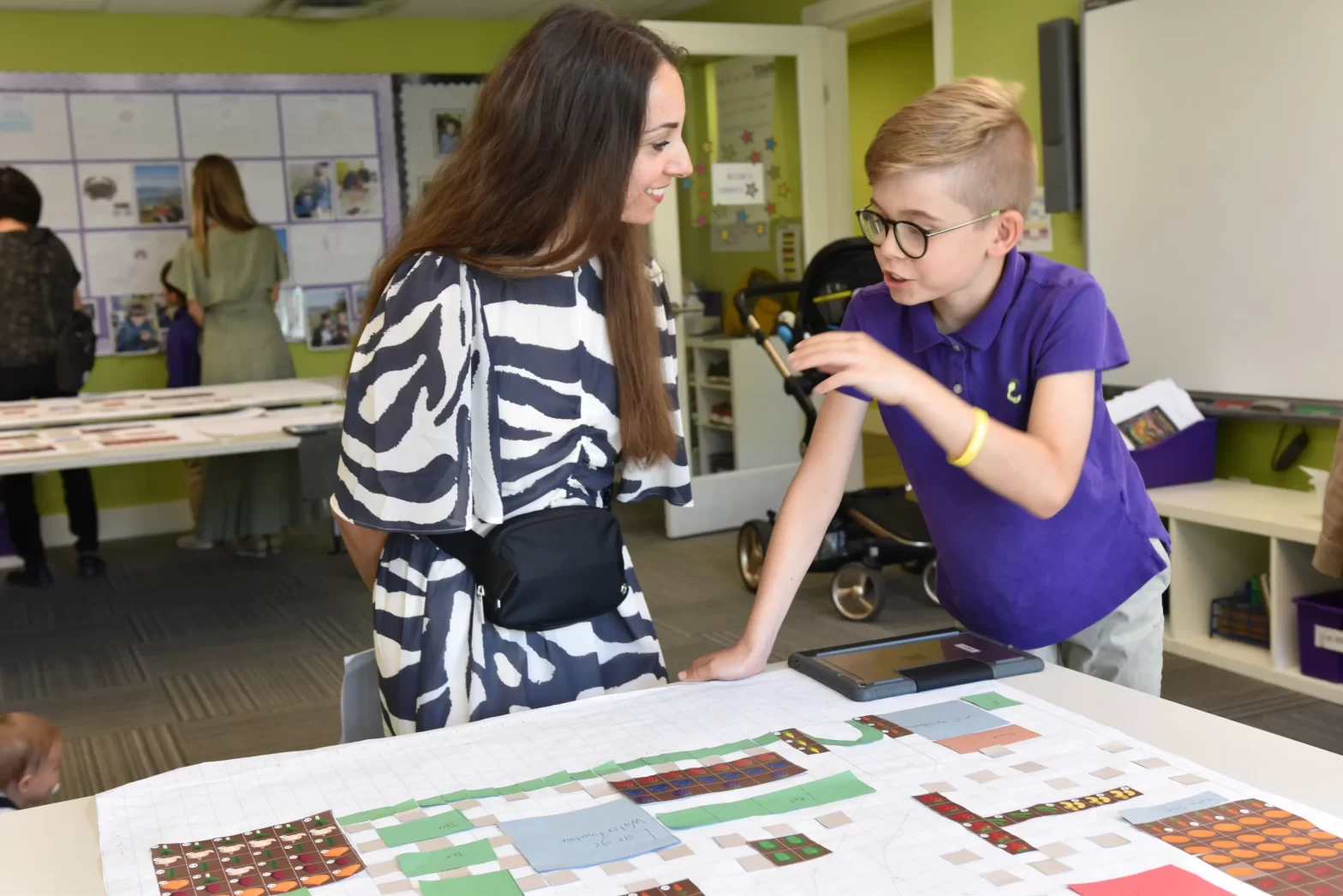
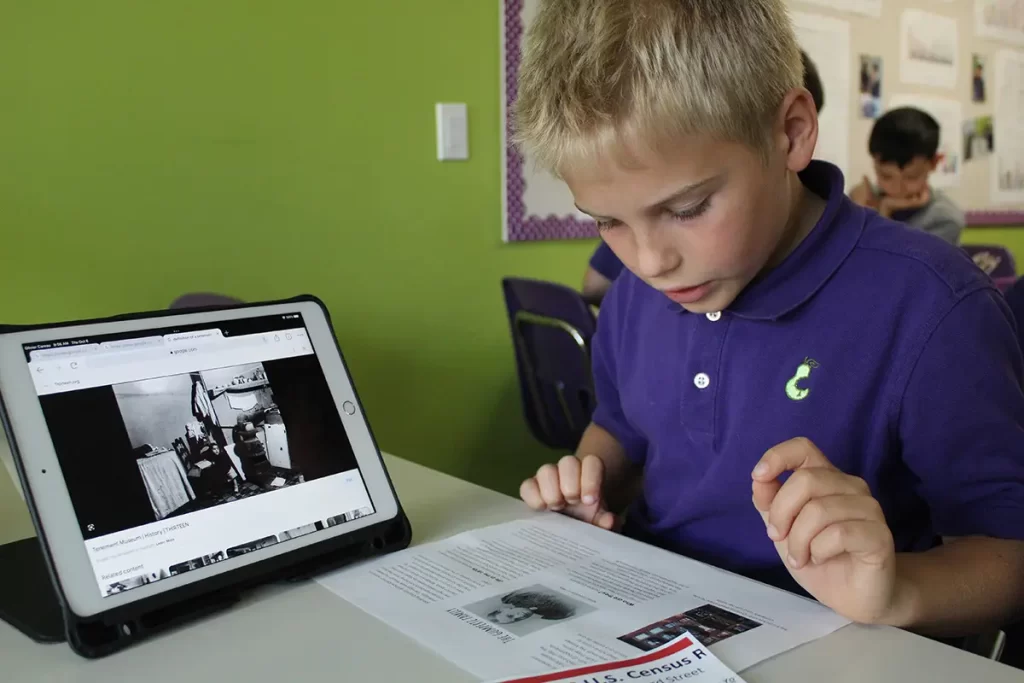
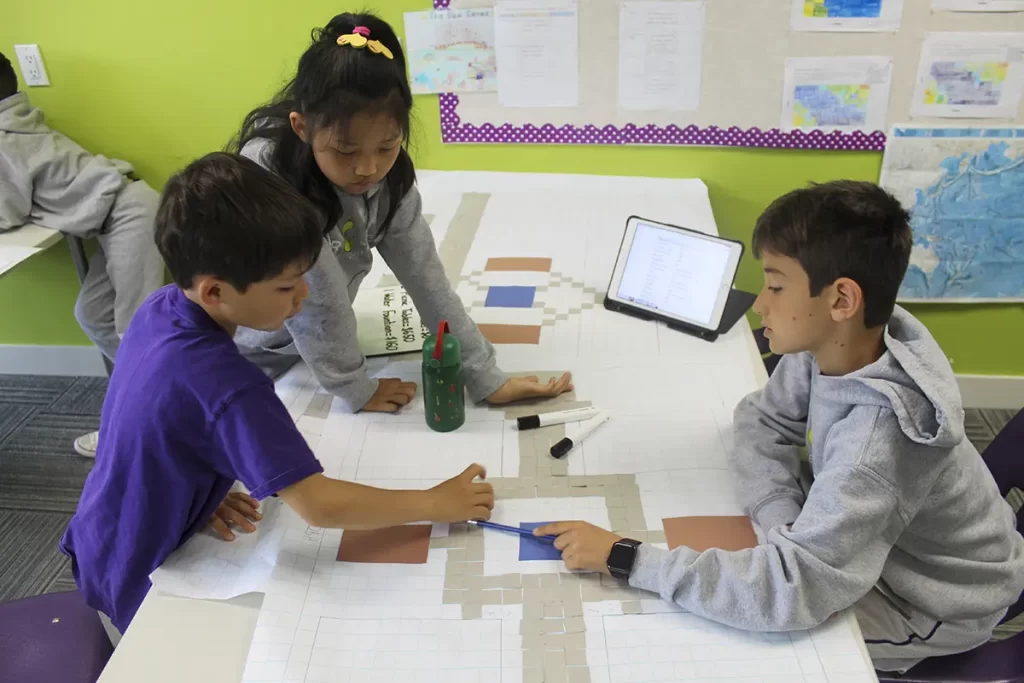
At Pear Tree, students don’t study subjects in silos. They learn through real-world themes that connect science, math, social studies, English, and the arts around questions that matter. Multiple themes run simultaneously, and students rotate between them. This isn’t “try a bit of everything.” This is transfer — the ability to take what you know in one domain and apply it in another.
By the time a student graduates, they’ve worked through dozens of themes spanning health, technology, migration, economics, ethics, environment, and culture. They’ve written policy briefs and built prototypes. They’ve defended their thinking publicly and revised their work until it held up.
That’s not well-rounded in the “mile wide and an inch deep” sense. It’s range with receipts.
What Universities Actually Need (Not What Consultants Sell)
Here’s something admissions consultants don’t emphasize: universities don’t just admit students. They teach them. And what they consistently find is that students who arrive with a narrow spike often struggle when they encounter problems that don’t fit their lane.
The engineering student who can’t write a coherent argument. The debate champion who freezes when asked to interpret data. The “pointy” student whose identity was so wrapped around one thing that a bad semester in that subject becomes an existential crisis.
A student who has spent years moving between themes — applying mathematics to real data one week, debating ethics the next, building something with their hands the week after — arrives at university knowing how to learn, not just how to perform in their specialty.
The Real Question for Parents
The pointy student philosophy answers one question well: how do I get my kid into a selective university?
But most parents are actually asking a bigger question: what kind of person will my child become?
A student who can only think through one lens is fragile. A student who can move between lenses — who can look at a problem from the perspective of a scientist, a citizen, a builder, and a storyteller — is adaptable. And adaptable people do well everywhere, not just at one admissions gate.
Pear Tree doesn’t build pointy students. Students graduate with proof of what they can do across domains — not just grades in one.
Same diploma. Same university path. But your child graduates with a portfolio, work placements, employer references, and public defense recordings that show range and depth. Not a spike. A foundation.
Curious what this looks like in practice? Pear Tree has been building range into every year of school since 2016. You can see it in person.
Paul Romani, M.Ed.
Paul is the co-founder and director of Pear Tree School. He designed the Pear Tree Method after teaching across multiple countries and studying what actually produces lasting learning. He writes about education, parenting, and what it takes to prepare kids for a world that keeps changing.



Contact Us
Main Campus (West Broadway)
Suite 215 (and Suite 201)
2678 West Broadway
Vancouver, B.C. V6K 2G3

Yaletown Campus
1035 Cambie St
Vancouver, B.C. V6B 2E2
