One Method.K to Graduation.
Since 2016, Pear Tree School has built a different kind of education — where subjects connect, where every student is known, and where learning looks like the real world. That method already runs from Kindergarten through Grade 9. Now we’re designing its next chapter: a high school program leading to a BC Dogwood Diploma — built on proof, not just grades.
Planned launch timeline
Your child shouldn’t have to start over at 15
Every time a student changes schools, they lose something. Teachers who know them. A system that works for them. A community that took years to build. And it happens right when adolescence is already hard enough.
Most Pear Tree families chose this school because the approach works. Extending to Grade 12 means that approach — and that community — won’t have to end at Grade 9.
The Gym and the Game
Every athlete trains. But training isn’t the point — the game is. Most high schools mostly operate like the gym: isolated skill practice, subject by subject, test by test. That can build some ability, but it often doesn’t transfer — because life doesn’t show up in neat subject boxes.
Our high school program is designed around both.
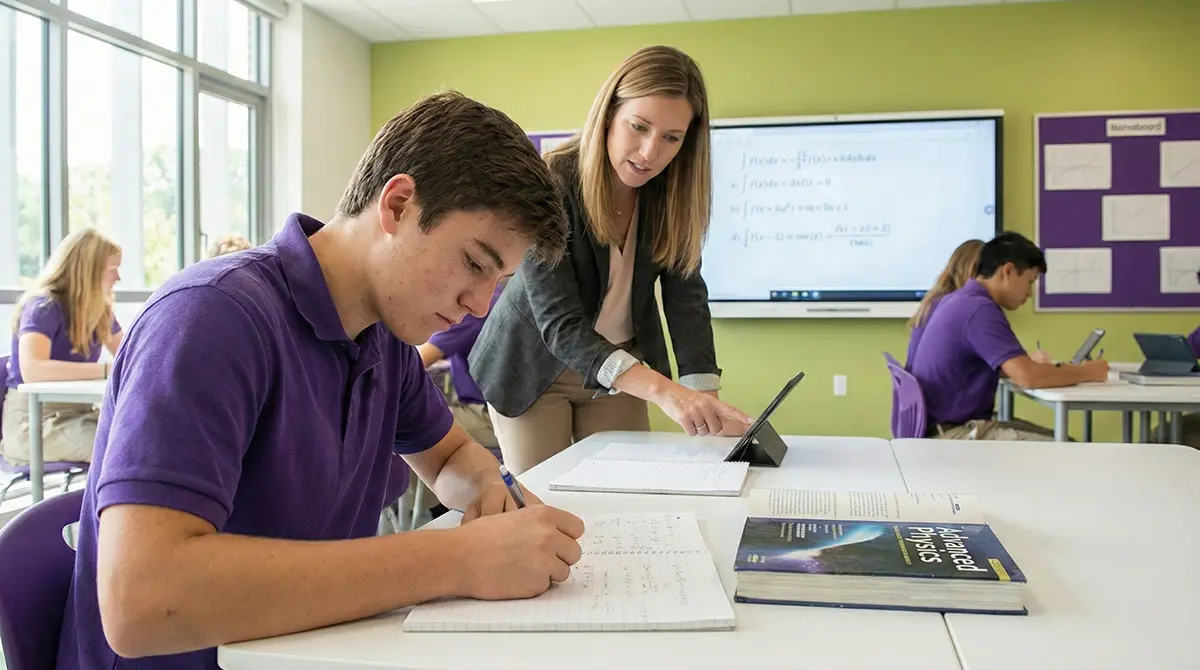
Studios
Where mastery is engineered — not hoped for. Prerequisites are real. Skill chains are explicit. Practice is coached, not dumped as homework and judged after the fact. If a student can’t do the underlying skill, we don’t float them forward on partial credit. We stop, rebuild, then move on.
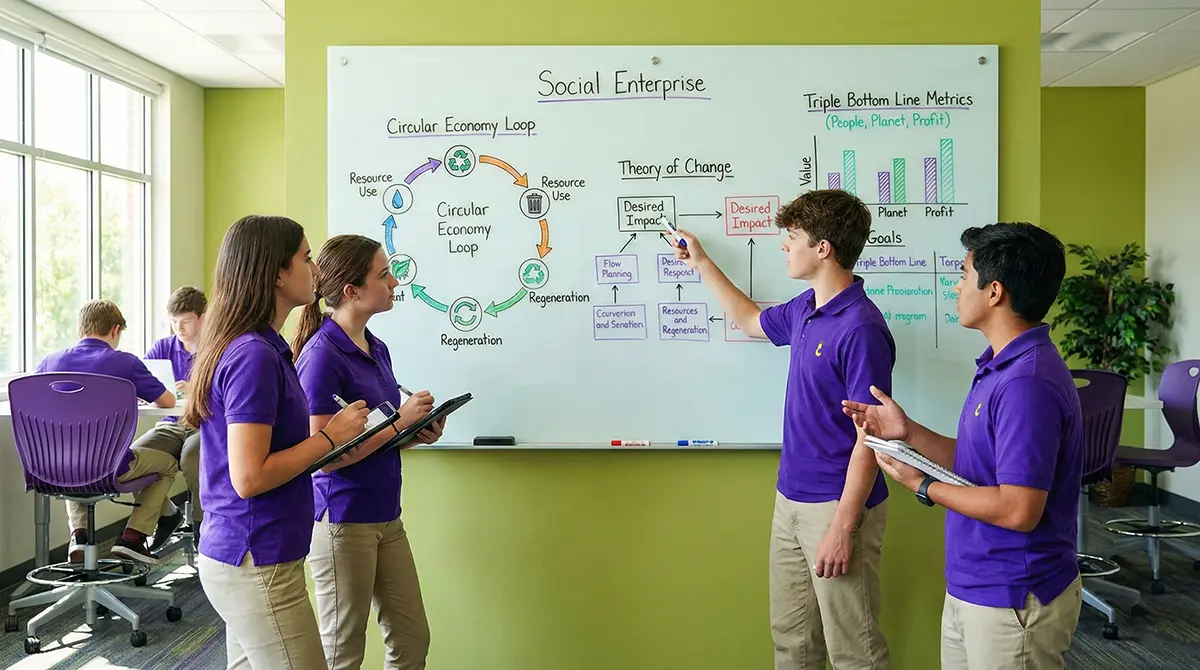
Themes
Where trained tools become real capability. Students will define, research, build, test, revise, and defend. The end state matters: “I built this. I can show you. I can defend it.” That’s the shift from “I hope I’m right” to “I can prove it.”
(BC minimum is 80)
specialist teachers
across Grades 10–12
120 credits. Not 80.
BC requires 80 credits to graduate. Most schools deliver about 80 to 84.
Pear Tree’s high school program is designed to deliver up to 120 credits — mapped across 30 BC Ministry courses. That isn’t 50% more homework. It means learning is more connected, more durable, and more defensible — because integration creates more creditable hours within the same school day.
The design principle: every student attends every class regardless of ability. Differentiation will happen in assessment, not access. No one gets excluded from a domain because they find it challenging.
Three specialists. Sixteen students.
Most high schools run on a bottleneck: one teacher stretched across too many students. Even great teachers get forced into “manage the room” mode.
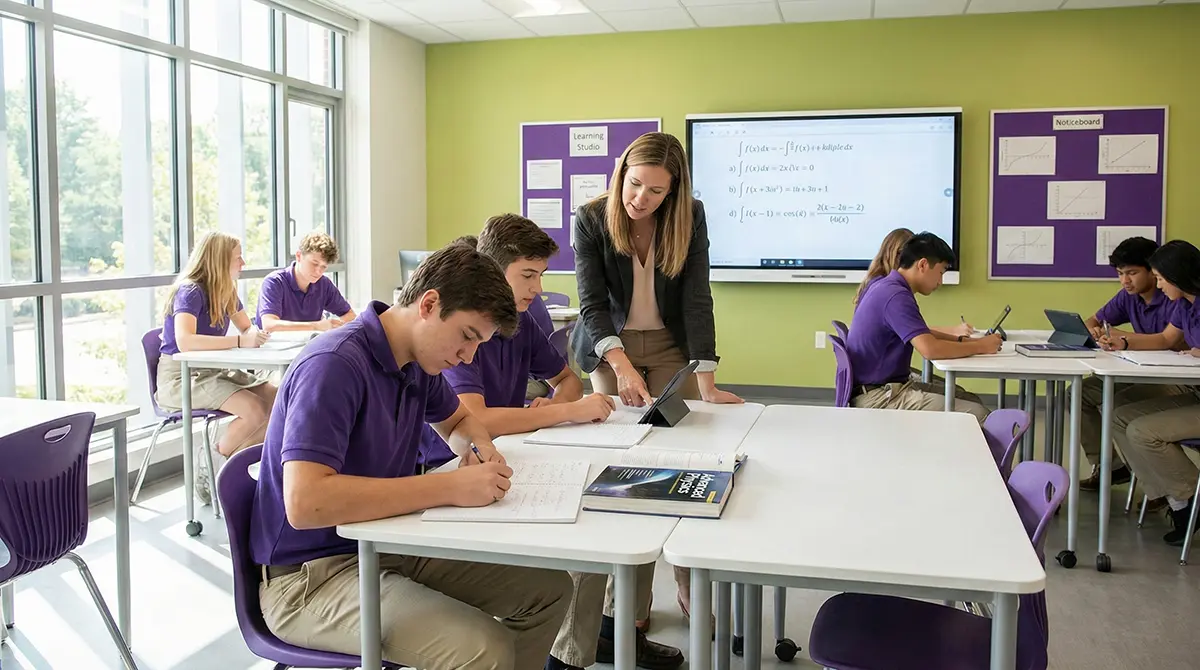
Each Pear Tree high school cohort will have three master’s-qualified specialist teachers — STEM, Humanities, and Business & Design — working with 16 students. That’s three experts who will actually know your child, rather than one generalist trying to know 90.
This is the same principle already working in our Grade 6–9 program, where two specialist teachers co-deliver to cohorts of 16. The high school model adds a third.
Grades still matter. Transcripts matter. But grades are a summary that can reward cramming or good behaviour — without guaranteeing any real ability.
Same topic. Different thinking.
Here’s one example of what a Grade 10 theme is designed to look like. The domain is tourism. The difference is what the student has to do with it.
“List the positive and negative effects of tourism.”
Students produce a two-column list. The task rewards recall. A student can score well without quantifying anything, modelling a system, or defending a position.
“Map the stakeholder ecosystem. Track where the money goes. Defend a policy recommendation.”
Students won’t survive on vague statements. They’ll quantify economic leakage, model community impacts, and justify a decision with evidence — then defend it against opposing stakeholder groups.
This isn’t about saying textbooks are bad. It’s about showing the gap between answering a question and doing real thinking with real trade-offs. Tourism is one of 24 themes. The Proof Pack shows more.
Proof Beats Grades
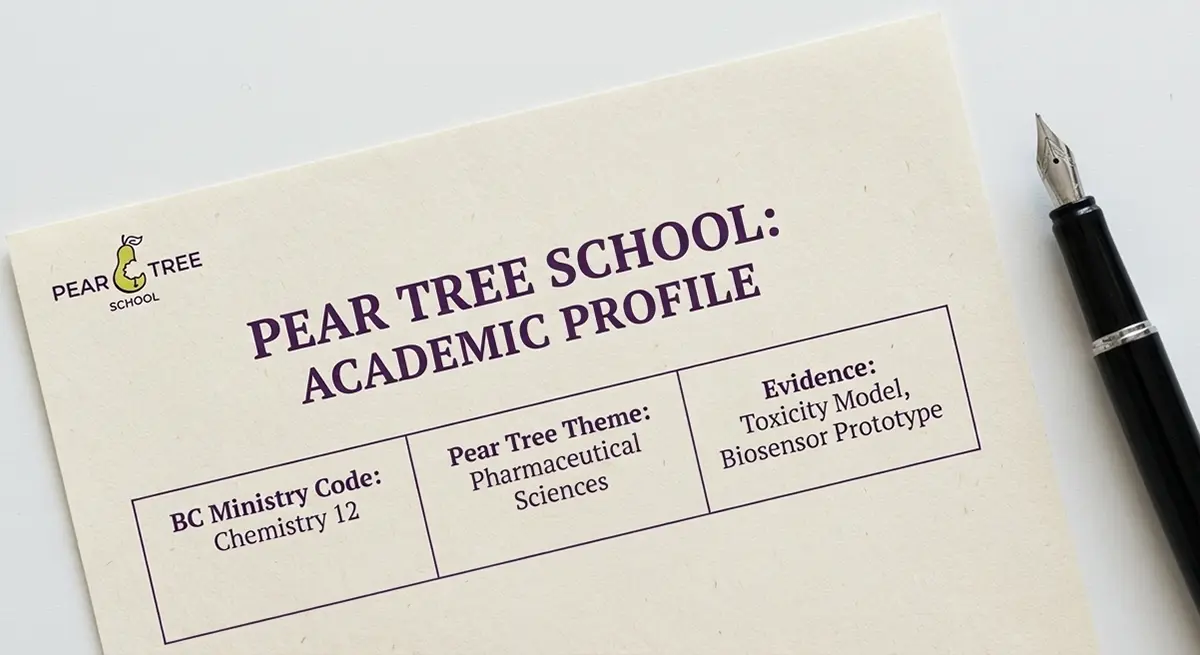
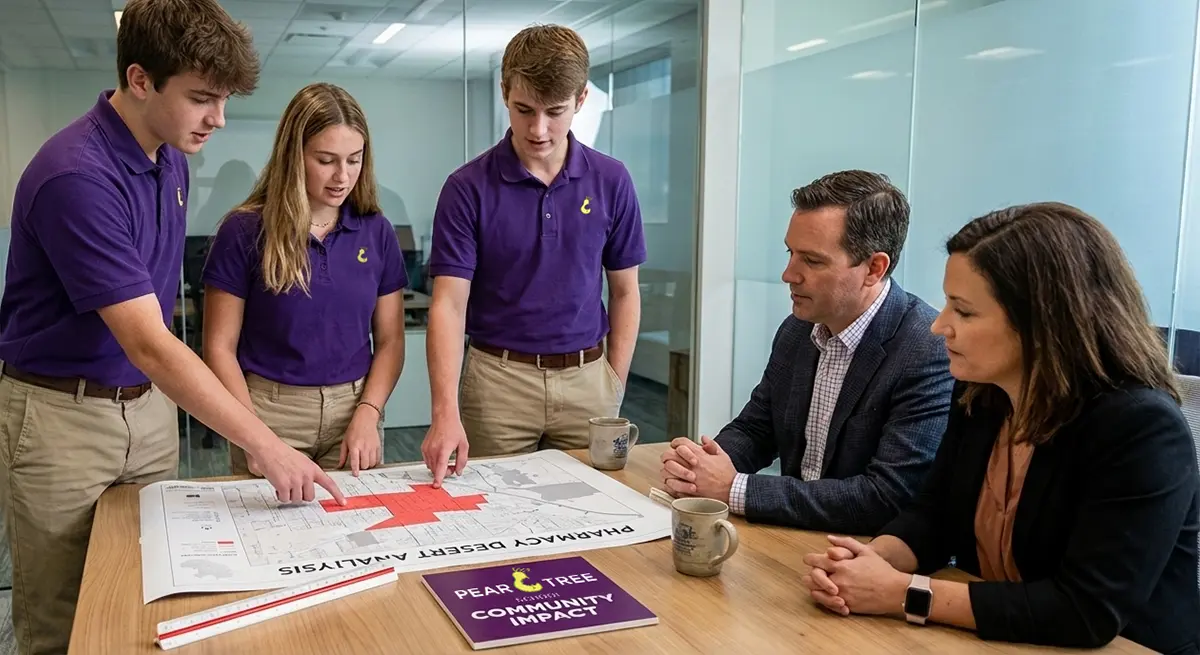
What your child will graduate with
Every BC graduate gets a Dogwood Diploma and a transcript. A Pear Tree graduate is designed to get that — plus a body of proof.
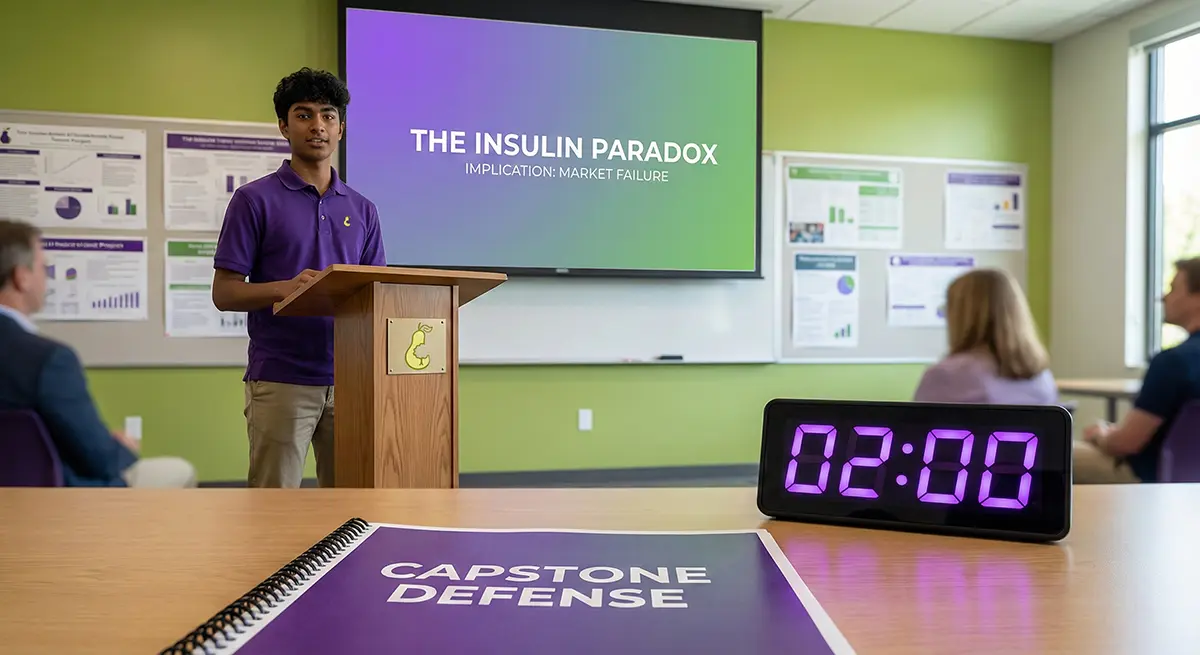
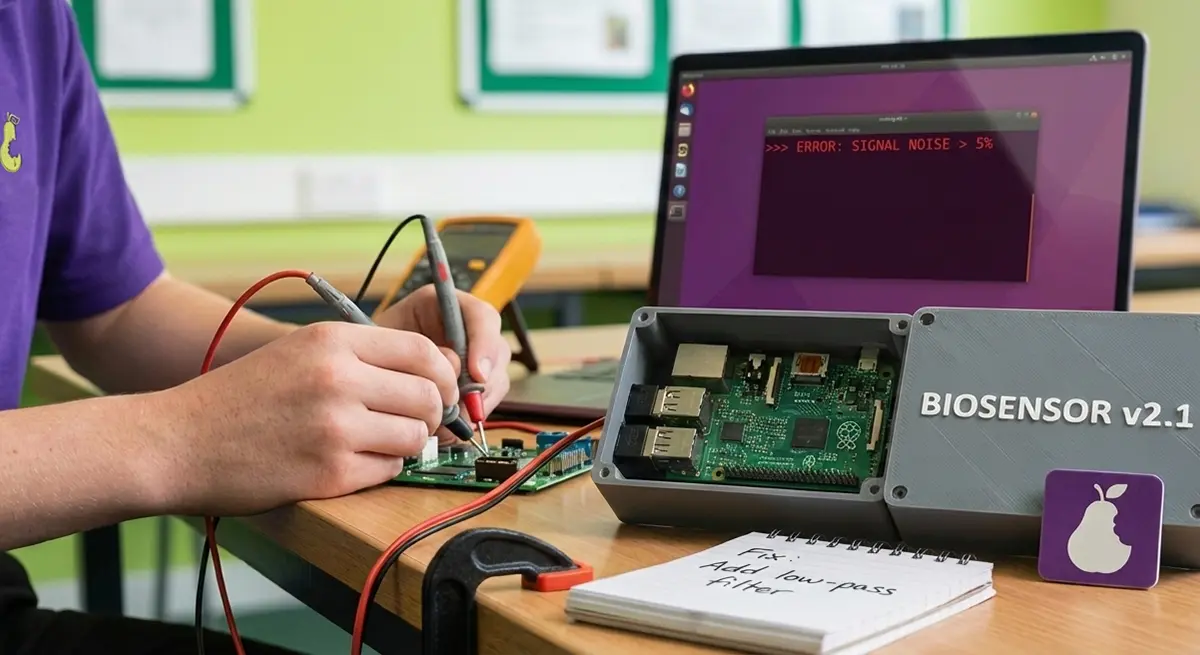
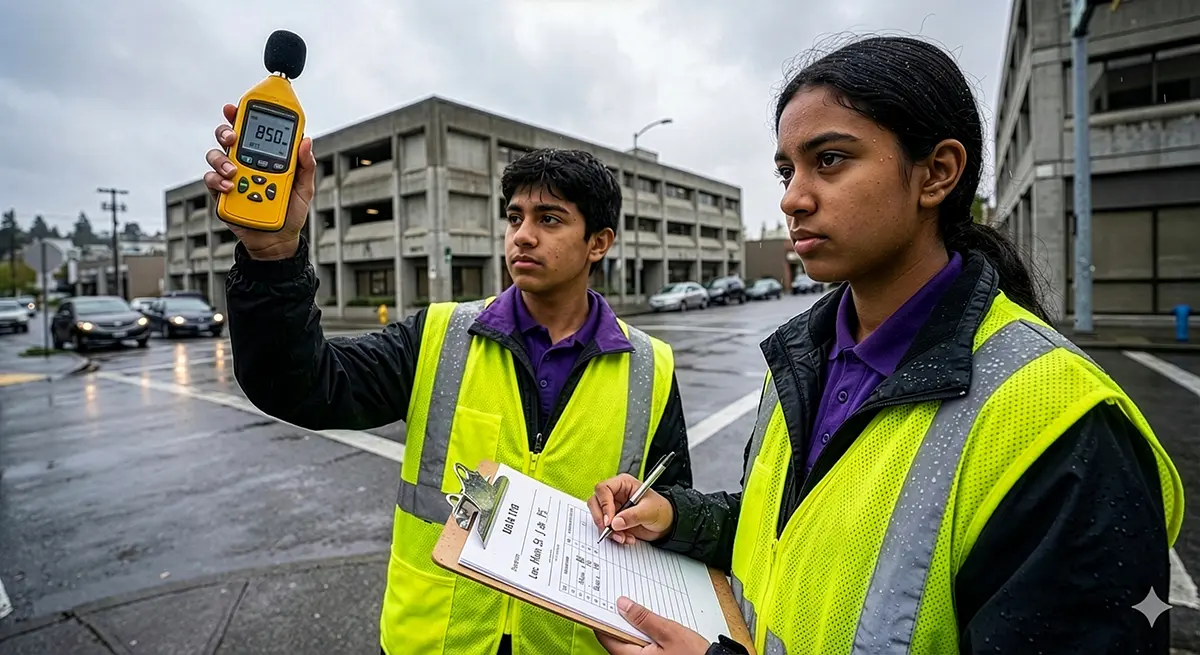
Up to 120 credits mapped across 30 BC courses. A transcript backed by real evidence, not just exam results. A curated portfolio of research, prototypes, policy briefs, and defended presentations. Supervised work placements with employer references based on real contribution. And public defence recordings that show a student who can think under pressure.
When your child is asked “Tell me about a challenging project” — they won’t have to invent a story. They’ll open the portfolio and show it.
Hours you can audit
The fair question about any integrated program is: if subjects are blended, how do you know my child got enough physics? Enough English? Enough math?
Most integrated programs don’t have a good answer. We’ve built two tools that make ours auditable.
The Time Ledger will log every minute of instruction to a single course. No minute lives in two places. If a plan claims more hours than exist in the day, the ledger catches it.
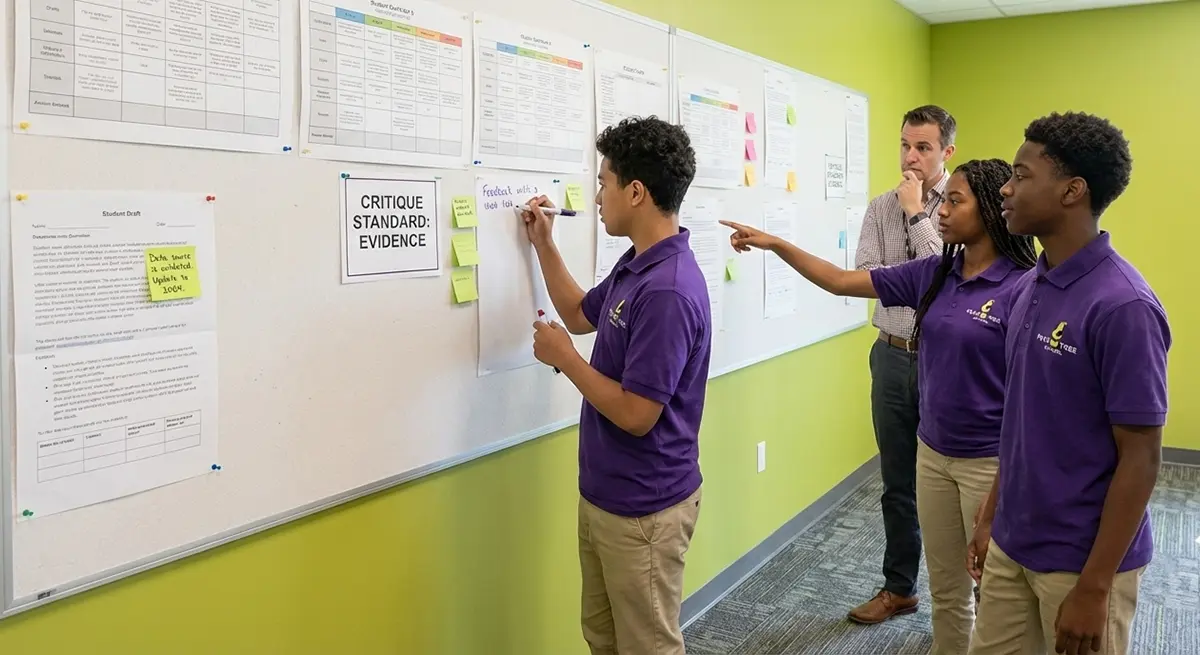
The Evidence Ledger will track which student work demonstrates competency in which course. A single policy brief can serve as evidence in English, Statistics, and Environmental Science — because the work genuinely demonstrates all three. But the assessment stays course-specific. Same artifact. Different lenses. Different grades.
Time can’t be double-counted. Evidence can. That’s the line. Both systems are already built and documented.
Built on a track record, not a theory
This isn’t a startup experiment. Pear Tree School has been operating since 2016. The method has been refined over a decade with real students and real families.
And the high school curriculum isn’t being built year by year with your child as the test case. The 24 themes are designed, mapped to BC courses, and documented. The Time Ledger, Evidence Ledger, assessment system, and support protocols are built. This is not building the plane while flying it.
Request the Proof Pack
Everything described on this page is backed by documentation you can inspect. The Proof Pack is a detailed package sent to families who want to see the evidence — not just the vision.
The best path in? Start in Grades 8–9.
Students who join Pear Tree in Grade 8 will be the first to move into Grade 10 when it opens. They’ll already know the method, the teachers, and the expectations. If your child is younger, you’re already in the right place — the K–9 program is the foundation for everything that follows.
Pear Tree School is currently certified by the B.C. Ministry of Education and Child Care as a Group 3 independent school, authorized to operate Grades K–8 (with Grade 9 being added for September 2026). The Grades 10–12 program described on this page is in the planning stage and will require a separate Group 2 independent school classification in order to offer the BC Dogwood Diploma. If approved, the result will be two separately licensed schools operating under the Pear Tree School name — sharing the same method. This structure is subject to BC Ministry approval. Program details, timeline, and graduation pathways may change based on regulatory approvals, facilities, staffing, and enrolment readiness.
Contact Us
Main Campus (West Broadway)
Suite 215 (and Suite 201)
2678 West Broadway
Vancouver, B.C. V6K 2G3

Yaletown Campus
1035 Cambie St
Vancouver, B.C. V6B 2E2
