Every theme at Pear Tree ends with a question that can't be answered with a fact. That's deliberate.
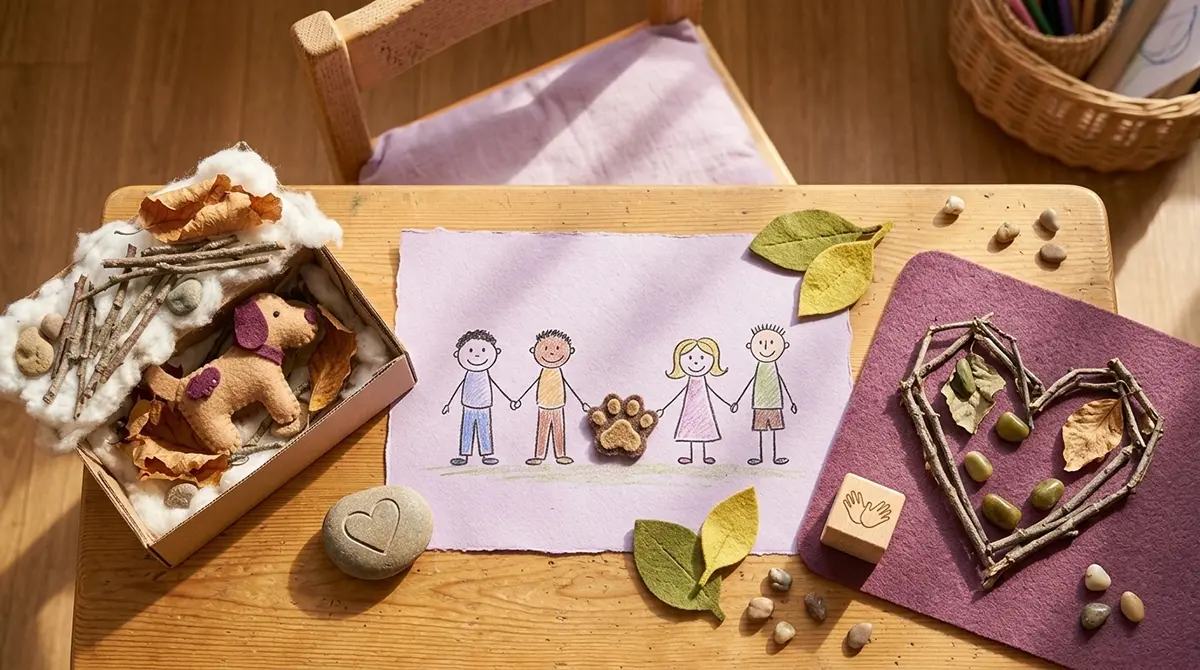
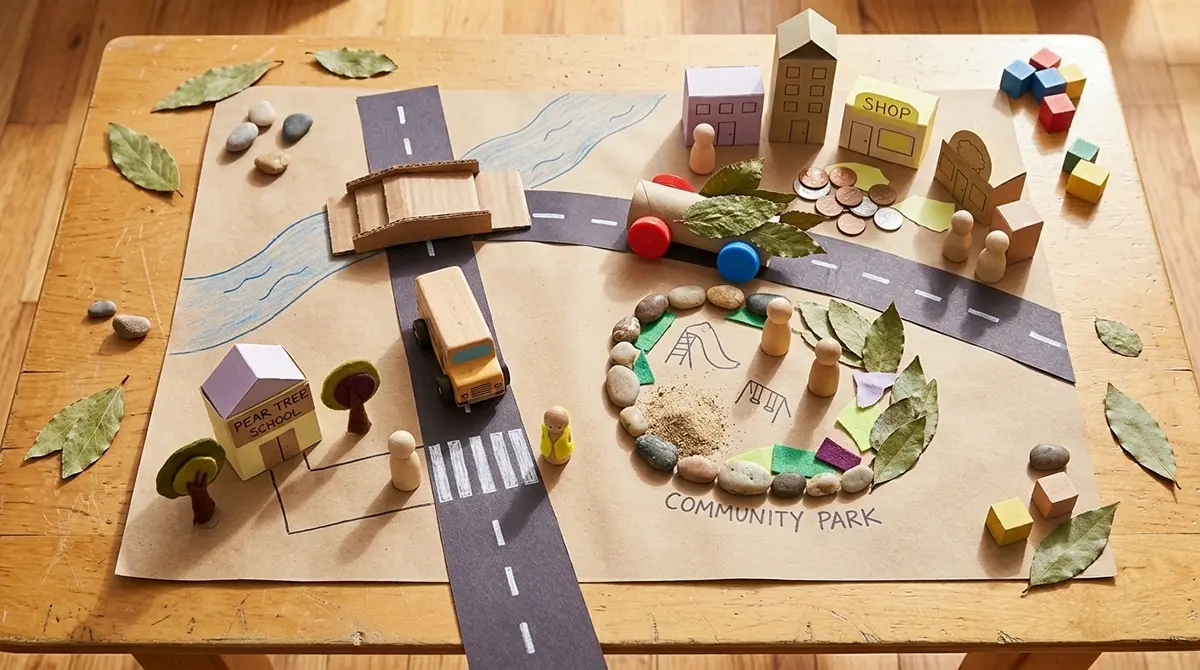
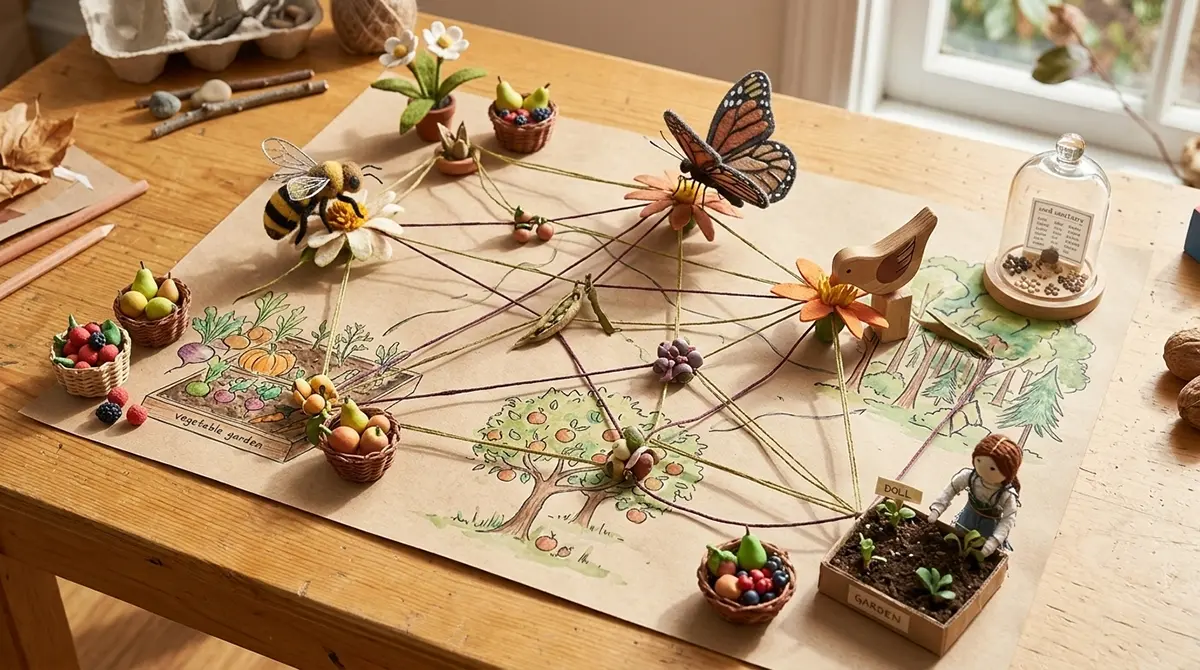
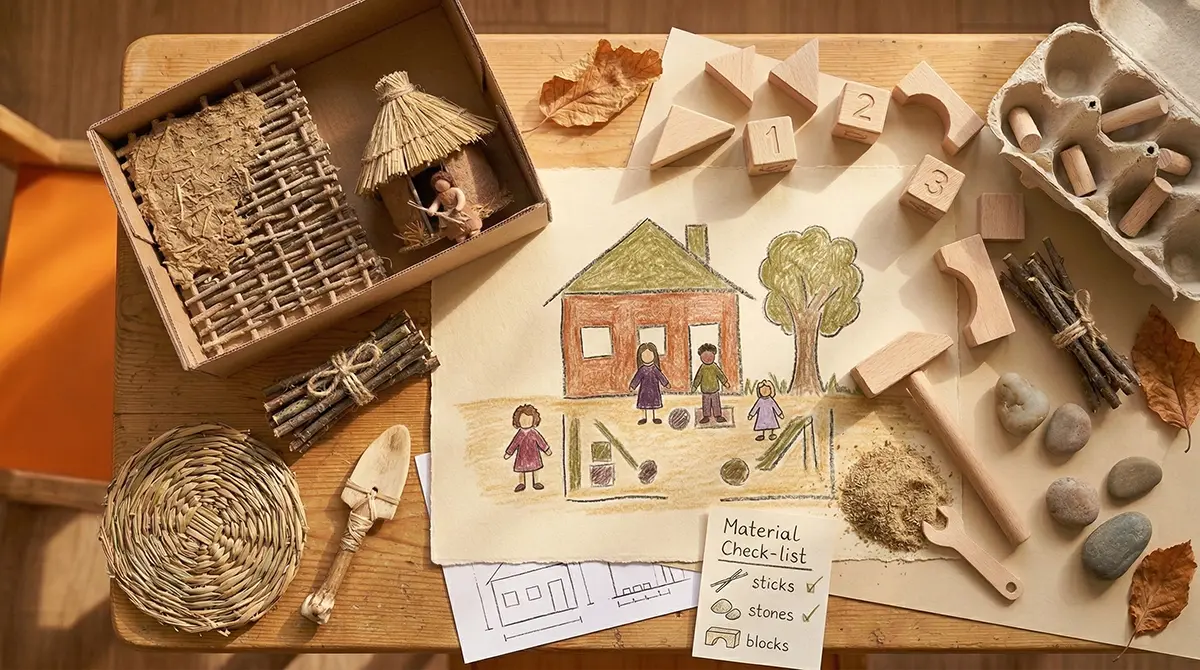
K–1 · PetsWhat does it mean to create a home where another creature can truly thrive?
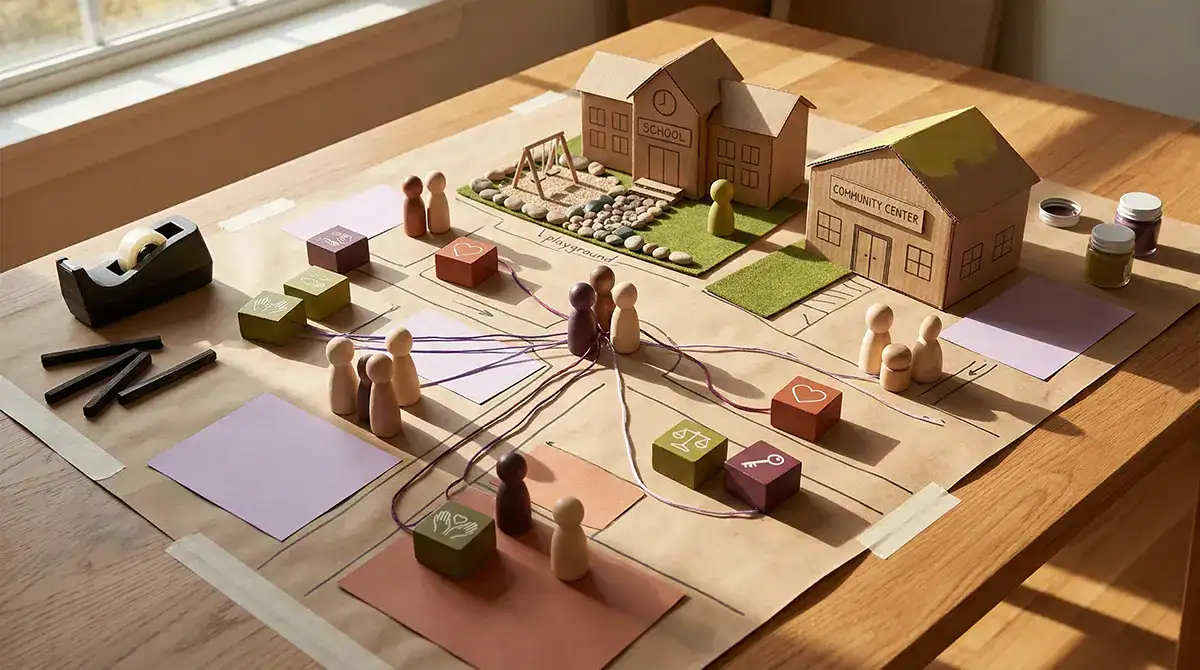
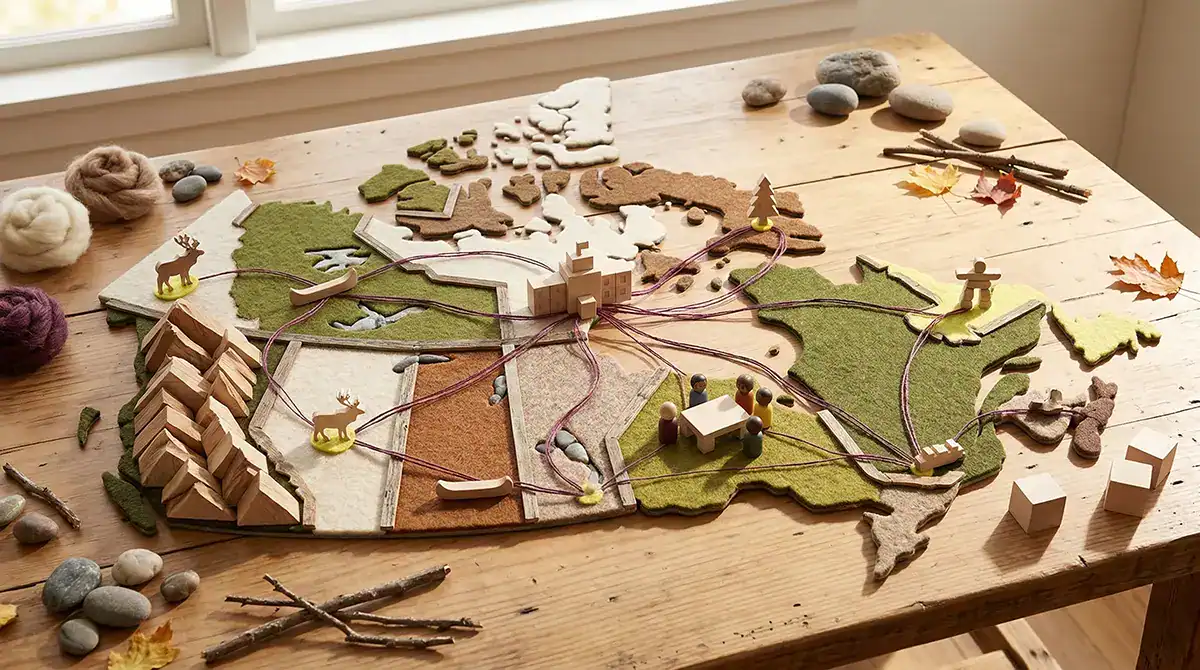
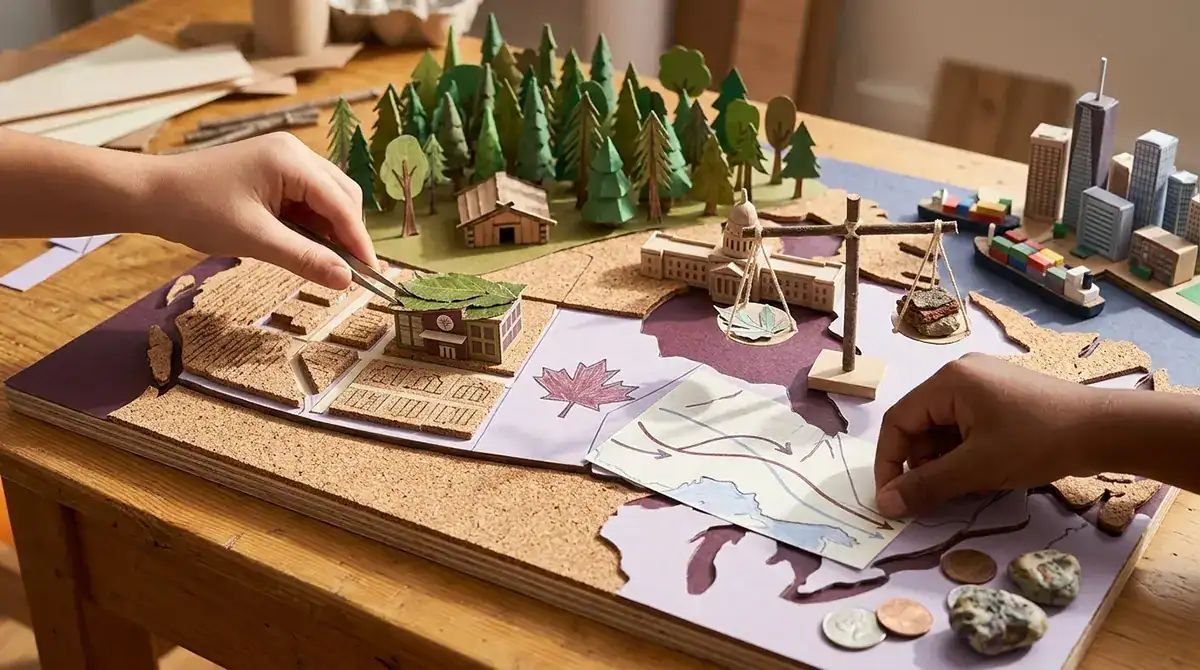
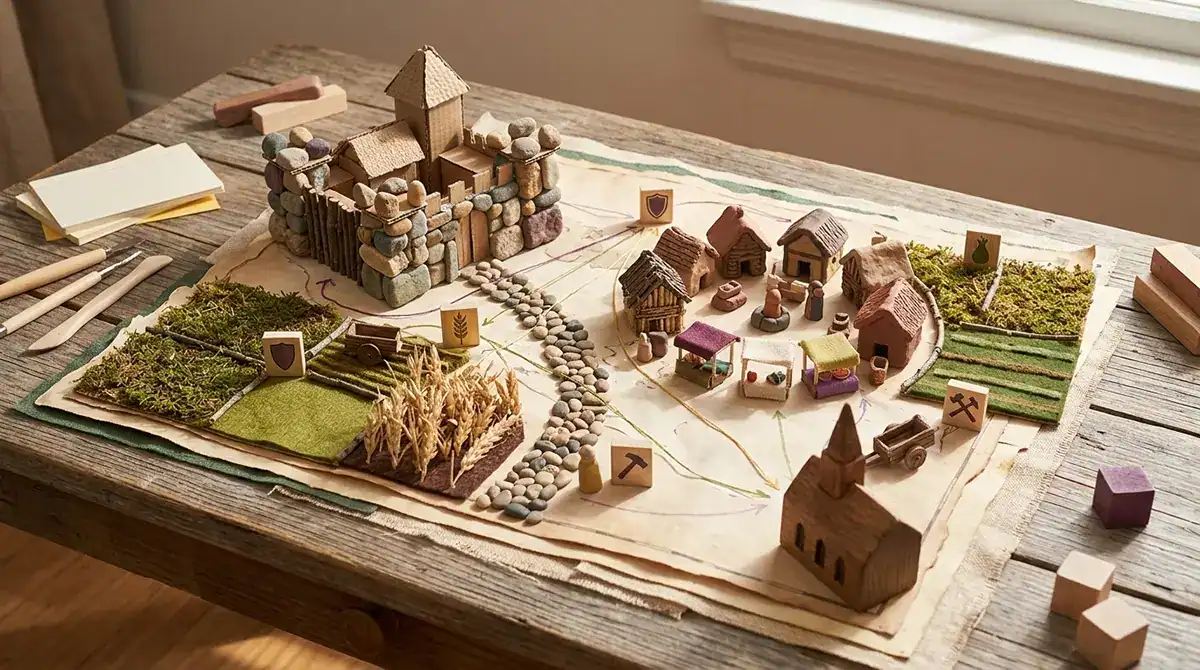
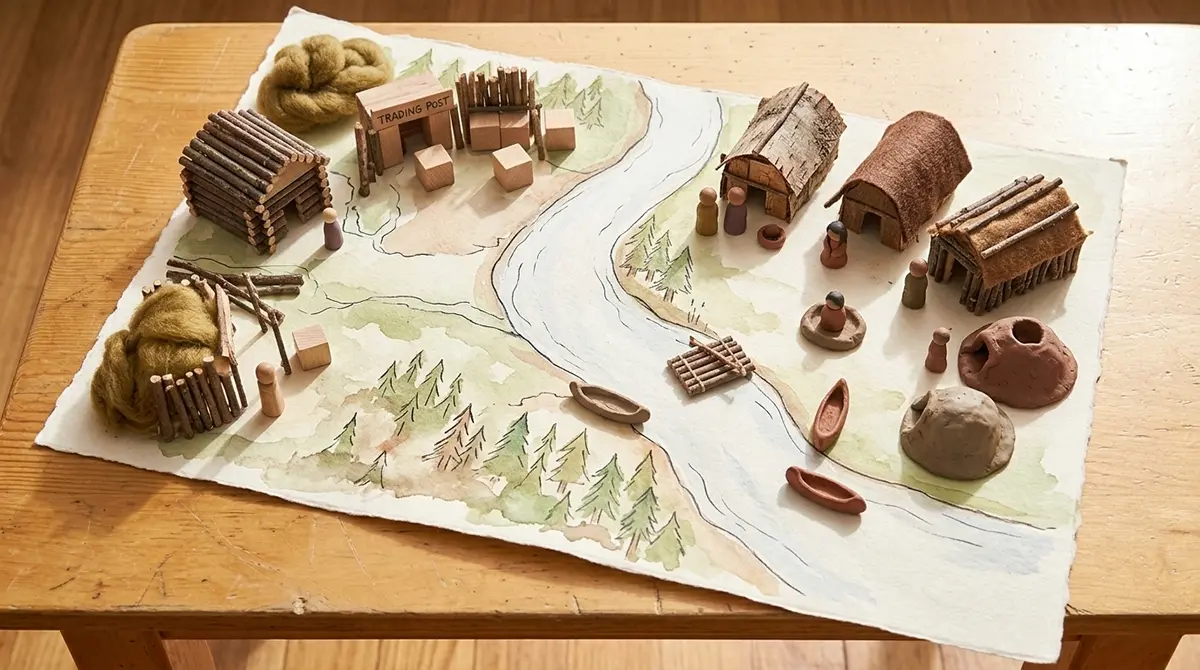
Grade 4-5 · Canada ThenWho benefited, who was harmed, and how do those choices still shape what feels normal in Canada today?
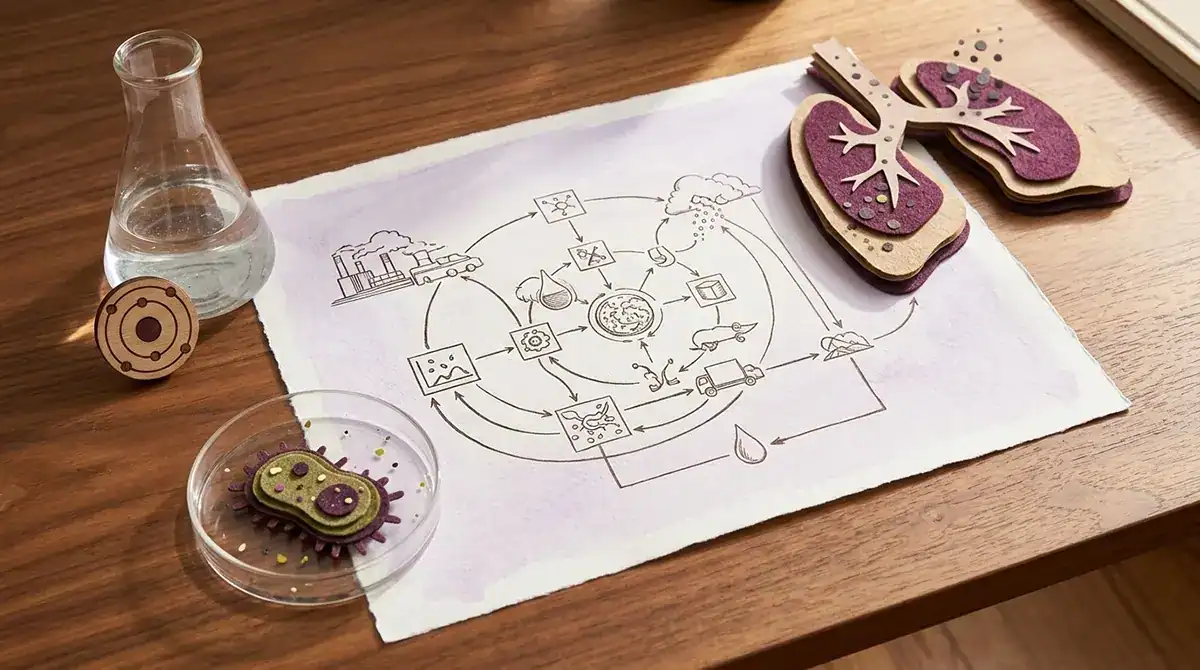
Grade 8-9 · Code of LifeJust because we can change the code of life, does that mean we should?
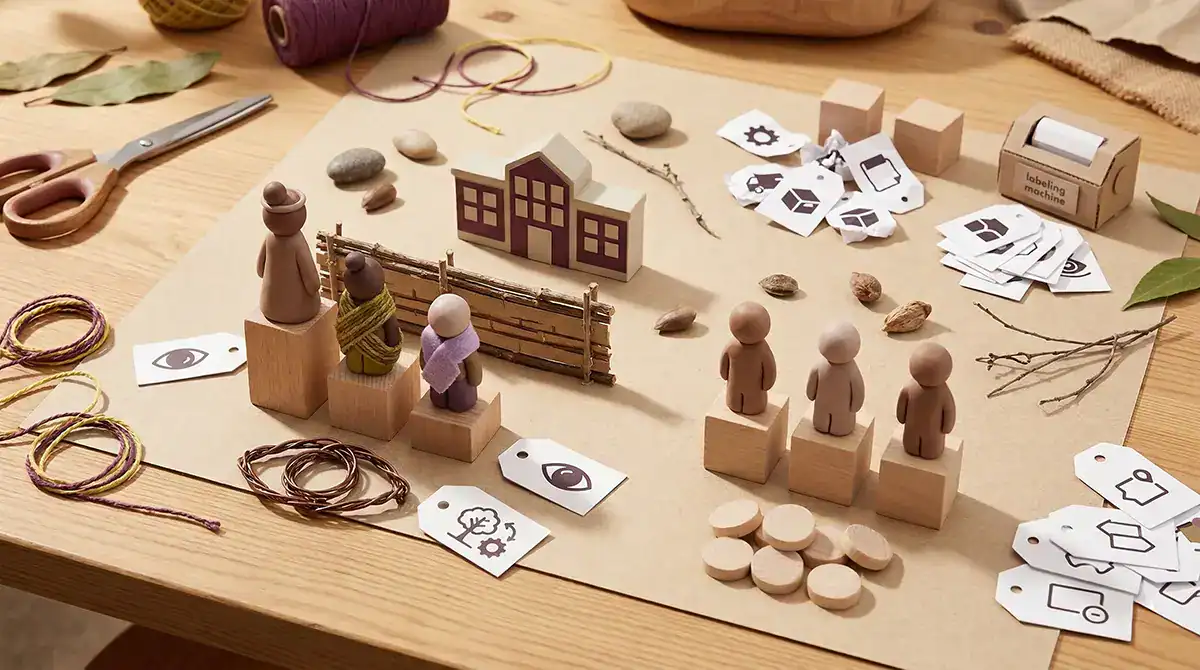
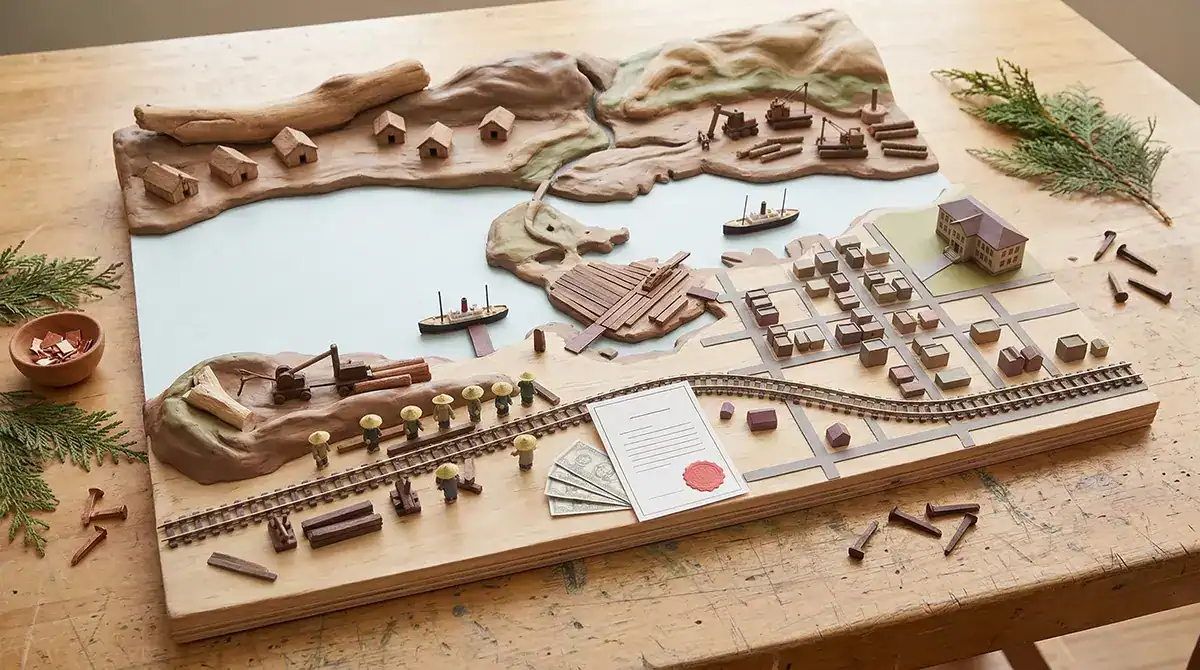
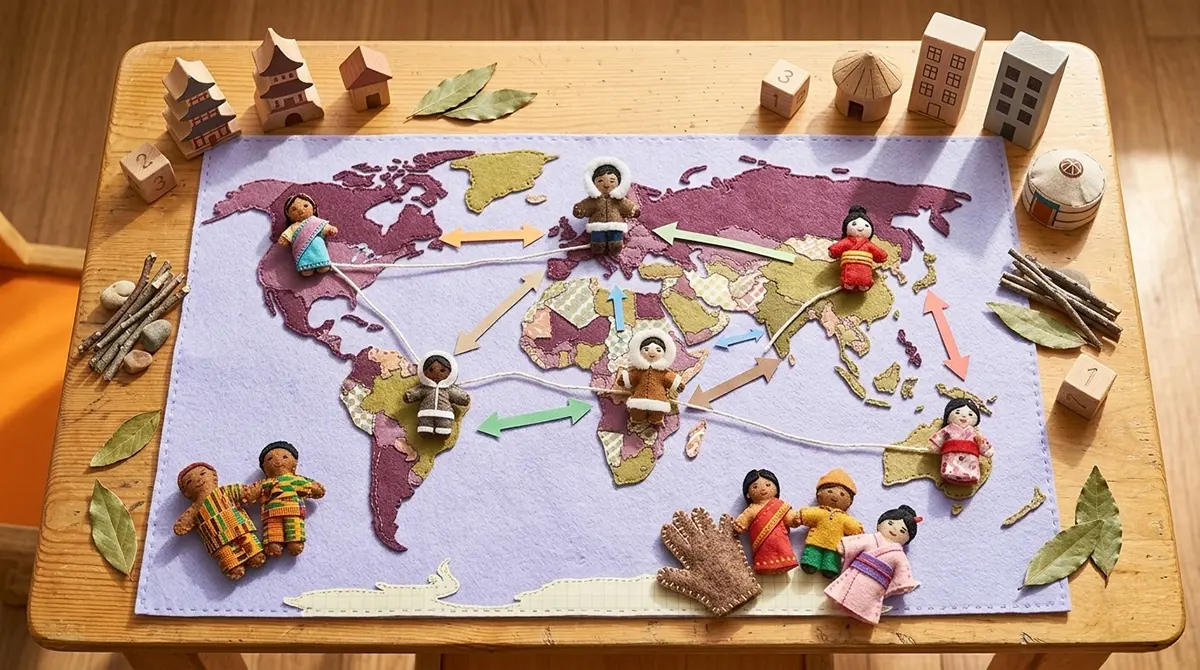
Grade 8-9 · End of an EmpireIf we can see decline coming, what choices do we have?
These questions aren't decoration. They're the point.
Each theme gives students the knowledge, evidence, and perspectives they need to wrestle meaningfully with its question. The goal isn't to arrive at the "correct" answer — it's to develop judgement: the ability to weigh competing evidence, hold complexity, and reach a reasoned position you can defend.
That's what separates a school that teaches content from a school that develops thinkers. Content gives you information. Open-ended questions give you something harder and more valuable — the practice of figuring out what the information means.
By the time a Pear Tree student reaches Grade 9, they've spent nine years practising this. Not in a single "critical thinking" class. Across 74 themes, each one ending with a question worth arguing about.